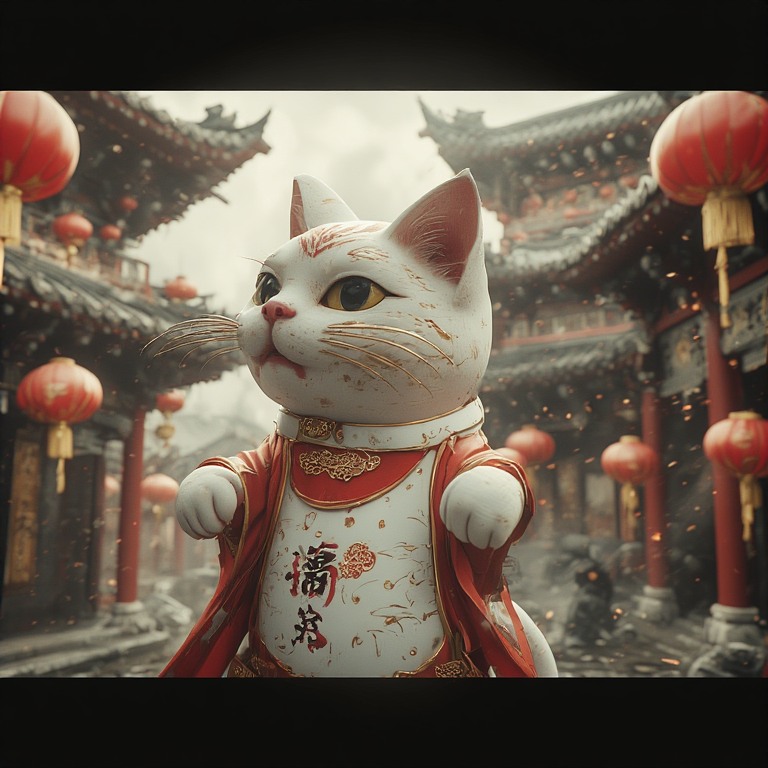
What do we know about the Chinese lucky cat?
The Chinese lucky cat, more accurately known as the Maneki-neko (招き猫) in Japanese, is a popular talisman believed to bring good fortune to its owner. While often called a “Chinese” lucky cat in the West, its origins are firmly Japanese.
Here’s what we know about it:
Origins and Name
- Japanese Roots: The figurine originated in Japan during the Edo period (likely in the 17th or 18th century). The name Maneki-neko translates literally to “beckoning cat.”
- The “Chinese” Confusion: The association with China likely comes from the fact that both cultures have a deep reverence for cats and a strong tradition of lucky charms. Additionally, much of the production of these figurines for global export now happens in China.
Symbolism and Meaning
The meaning of the lucky cat is all in the details:
- The Raised Paw:
- Right Paw Raised: This is believed to attract money and good fortune, making it a popular choice for businesses.
- Left Paw Raised: This is meant to attract customers or people. It’s often seen in shops, restaurants, and other establishments that rely on foot traffic.
- Both Paws Raised: Some say this invites protection and good fortune, while others believe it can be a sign of needing urgent help or money, so it’s less common.
- The Collar and Bell: The cat typically wears a red collar with a bell. This is a decorative element harkening back to a time when wealthy families in Japan would adorn their pet cats with such accessories.
- The Koban (Gold Coin): Many Maneki-neko hold a large, ancient Japanese coin called a koban. The coin often has characters inscribed on it, with the most common being “千萬両” (sen man ryou), which translates to “ten million gold pieces,” symbolizing great wealth.
- Color: The color of the cat carries specific significance:
- White: Purity and overall good fortune.
- Black: Wards off evil and protects against illness. It’s especially popular with women.
- Gold: Attracts wealth and financial prosperity.
- Red: Related to health, particularly in protecting from evil spirits and sickness.
- Green: Associated with academic achievement, health, and safety.
- Pink: Used for matters of the heart, like finding love.
Cultural Impact
- Global Icon: The Maneki-neko is one of the most recognizable symbols of Japanese culture worldwide. You can find it in Asian restaurants and businesses across the globe.
- Modern Variations: While the traditional design is a white or calico cat with a bobtail, modern versions come in every color imaginable and even in electronic forms that wave their paw using a solar panel or battery.
In short, the “Chinese lucky cat” is a Japanese symbol of prosperity and good luck, with specific details on its body—like the paw it raises and its color—offering different kinds of fortune to its owner.